Many patients often use a cotton swab to remove cerumen (medical term for earwax). While it may provide temporary relief from itching or remove some superficial cerumen, majority of research suggests against its use. Otolaryngologists advise against the use of cotton swabs worldwide and complications need to be raised in the public (1). Todays post will further explore information about cerumen, benefits, symptoms of excessive cerumen, management approaches used and recommendations for public regarding cerumen management.
Continue reading “Should I be Using Cotton Swabs to Clean my Ears – Earwax Removal”Author: malam53

Should I Be Wearing Hearing Protection?
Noise-induced hearing loss (NIHL) is a preventable type of inner ear hearing loss that affects approximately 5% of the world’s population (1). According to the Occupational Safety and Health Administration (OSHA), workers are recommended to wear hearing protection for workplace noise exposure levels equaling 85 dBA and it is mandatory to wear it when noise exceeds 85 dBA calculated over an 8-hour shift (2,3). The consequences of NIHL can include symptoms of tinnitus and hyperacusis (refer to other posts for more information) and can significantly impact one’s quality of life. This post will explore more about NIHL and the appropriate hearing protection and conservation measures that are important to consider to help mitigate its effects.
Continue reading “Should I Be Wearing Hearing Protection?”Why Does it Feel Like I’m Spinning?
Vertigo is a common phenomenon seen in patients with and without hearing loss. It is described as the perceived movement or spinning sensation of one’s surroundings without actual physical movement. Research indicates that over 20 percent of patients with hearing loss have had an incidence of vertigo in their life (1). Vertigo can be present as a symptom in both peripheral (inner ear) or central (nervous system) related pathology. Benign paroxysmal positional vertigo (BPPV) is seen in 44 percent of patients and is the most common occurrence and most successfully treated inner ear dysfunction. Other conditions affecting the vestibular system include vertebrobasilar insufficiency, meniere’s disease and sudden sensorineural hearing loss (1). The focus of the discussion will be on BPPV as it is the most common clinical presentation of vertigo.
Continue reading “Why Does it Feel Like I’m Spinning?”Why is Everything so Loud?
Have you ever been bothered by sounds that are perceived at a normal level by others? For some people, soft sounds may be uncomfortable including water running in the sink or even people chatting at a conversational level. Hyperacusis is a condition in which individuals experience heightened sensitivity or discomfort in response to everyday sounds. This sets it apart from other sound-related issues such as misophonia and phonophobia (1). In this post, we will delve into loudness hyperacusis while describing other forms as well. The post will look at the symptoms, causes, treatments, and recommendations for those experiencing potential sound intolerances.
Continue reading “Why is Everything so Loud?”Meet the author
Hello, My name is Muneeb. I have been practicing as a clinical audiologist in Edmonton, Alberta for two years. My passion for audiology stems from following my sister’s journey navigating through her hearing impairment and being a longtime hearing aid user. In 2022, I completed my masters in clinical sciences from the University of Western Ontario. My goal for this website is to provide zero-cost evidence-based consumer information related to important topics related to the field of hearing and audiology. Please feel free to comment or give me any recommendations on what topics you would like me to write on. Also, any advice on ways I can improve the website is appreciated. If you have any feedback or questions feel free to email me at hearinginfo883@gmail.com. Thank you for taking your time to visit!
Are over-the-counter hearing aids worth it?
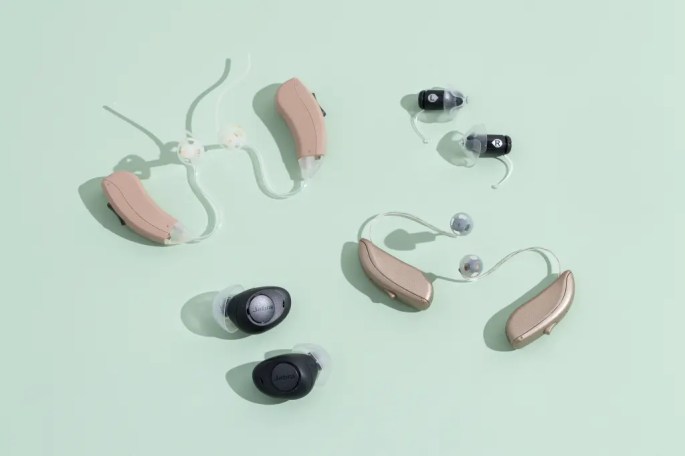
With the ever-changing landscape of hearing aids, over-the-counter hearing devices (OTCs) are gaining more traction and are entering the market. If you’re shopping around for hearing aids you may have come across a much cheaper alternative OTCs, however, it is important to understand with the cheaper device costs, what you may be leaving on the table. In this post, I want to go over some important points that may help you make a more informed decision about the differences in acquiring hearing devices from hearing care professionals or going forward with OTCs.
Continue reading “Are over-the-counter hearing aids worth it?”Why are my ears ringing? Tinnitus and Hearing loss
One of the main symptoms often found in a person with a hearing impairment or even normal hearing individuals includes a phantom noise heard by one in the ear(s) and no one else. Tinnitus is referred to as noise in the ears which can be ringing, buzzing, and/or a whooshing type of sound (1). While most forms of tinnitus are subjective in that they are heard by the patient themselves, it can also be present in a more objective and rare form. When it is pulsing or beating in nature it is referred to as pulsatile tinnitus and often requires further medical investigation. Tinnitus can occur in both children or adults, one ear or both, intermittent or constant and when it spans over 3 months it is known as chronic.
Continue reading “Why are my ears ringing? Tinnitus and Hearing loss”Hearing Loss and Cognition
Our ability to hear is one of our five vital senses and when one has trouble hearing it can significantly decrease a person’s quality of life. A hearing impairment can affect individuals of all ages. It can lead to delays in speech and language development in children and may cause frustration and social isolation and impact relationships in adults and older adults.
Continue reading “Hearing Loss and Cognition”Hello World!
Welcome to Hearinginfo! Check out my blog posts to learn more about common questions about hearing and audiology.