Our ability to hear is one of our five vital senses and when one has trouble hearing it can significantly decrease a person’s quality of life. A hearing impairment can affect individuals of all ages. It can lead to delays in speech and language development in children and may cause frustration and social isolation and impact relationships in adults and older adults.
According to Statistics Canada, approximately one-fifth (19%) of individuals have at least a mild hearing loss and hearing loss yearly ranks among the top five factors among Canadians living with a disability (1).
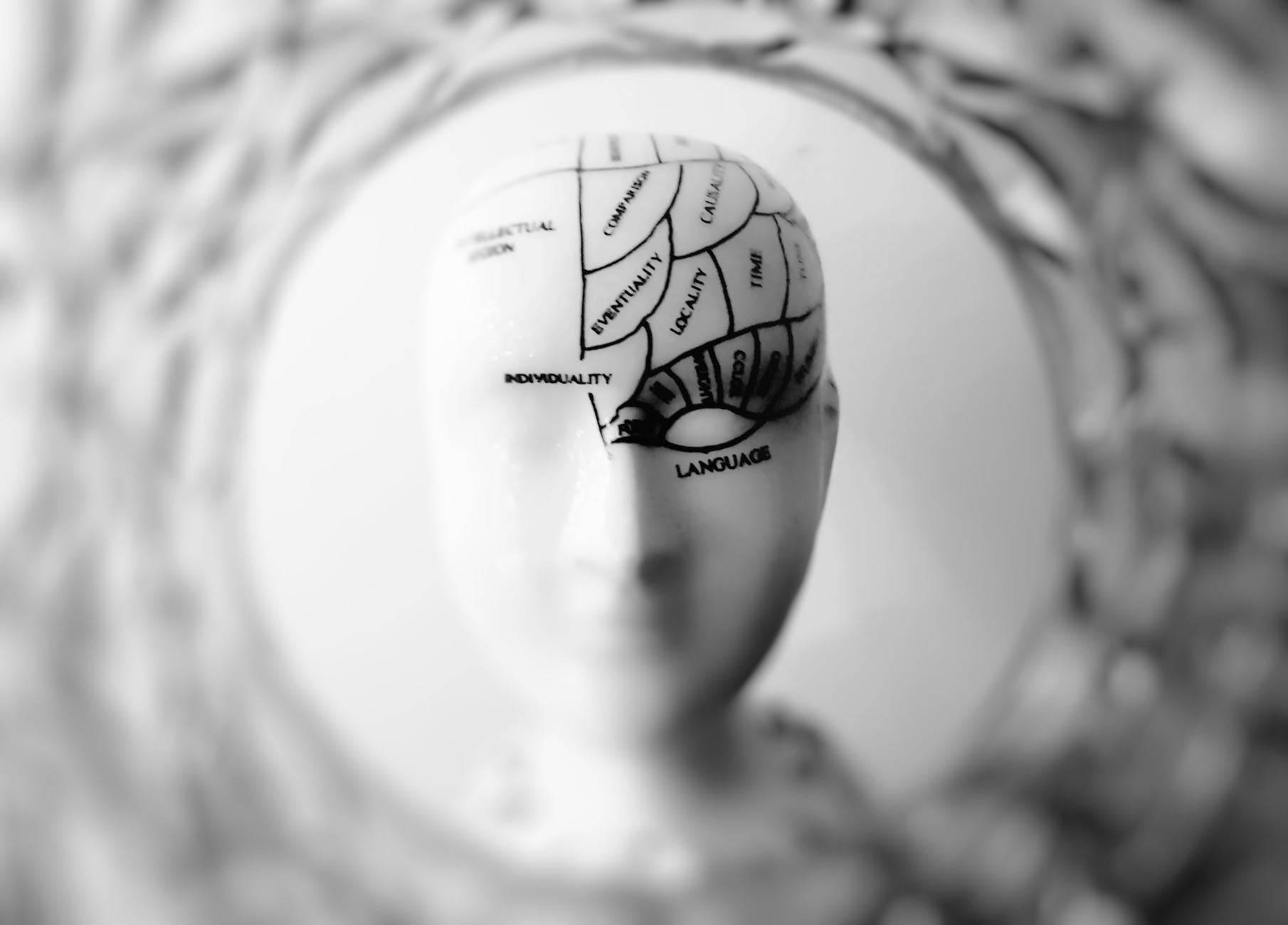
Now you may be wondering what effect of untreated hearing loss has on one’s cognitive health. The Lancet Commission Report of 2020 on Dementia, Prevention, and Care identified untreated hearing loss as one of the twelve modifiable risk factors for dementia. Furthermore, treating hearing loss in the form of amplification (example: hearing aids) has been reported to reduce the risk of dementia from untreated hearing loss (2). Early detection of hearing loss and appropriate intervention with hearing aids may help slow down cognitive decline.
Hearing aids that are properly fit are known to have cognitive benefits for patients especially older adults at risk for cognitive decline. A recent research article showed a statistically significant improvement after 18 months in first-time hearing aid users post-hearing aid fitting for multiple areas of cognition in older adults including executive function, short-term memory, visual learning, and visual attention (3) Furthermore, the study concluded that patients who were appropriately fit with their hearing aids that were motivated to wear their devices on a consistent basis were associated with many cognitive benefits including greater cognitive function, decreasing cognitive load and an improved quality of life.
Just like your eyes and teeth, it is essential to monitor your hearing as it can reveal important information about your hearing, auditory pathways, and overall health. For optimal hearing health, it is important to get a hearing assessment periodically or sooner if concerns with hearing arise.
References
- Ramage-Morin P, Banks R, Pineault D, Atrach M. The Canadian Health Measures Survey (CHMS) provides a unique opportunity to examine the characteristics of the population with unperceived hearing loss-a term that refers to those who do not self-report a hearing impairment despite having some audiometrically measured hearing loss. data from cycles 3 (2012 to 2013) and 4 (2014 to 2015) of the CHMS were combined and used to examine the adult population aged 40 to 79 years with unperceived hearing loss. the analysis describes the prevalence of audiometrically measured hearing loss and self-reported hearing impairment. the prevalence of unperceived hearing loss was examined by selected sociod,emographic, health and other characteristics. Unperceived hearing loss among Canadians aged 40 to 79. August 21, 2019. Accessed August 7, 2023. https://www150.statcan.gc.ca/n1/pub/82-003-x/2019008/article/00002-eng.htm.
- Livingston G, Huntley J, Sommerlad A, et al. Dementia prevention, intervention, and care: 2020 report of The Lancet Commission. The Lancet. 2020;396(10248):413-446. doi:10.1016/s0140-6736(20)30367-6
- Dawes P, Emsley R, Cruickshanks KJ, et al. Hearing loss and cognition: The role of hearing aids, social isolation and depression. PLOS ONE. 2015;10(3). doi:10.1371/journal.pone.0119616
 Hearinginfo