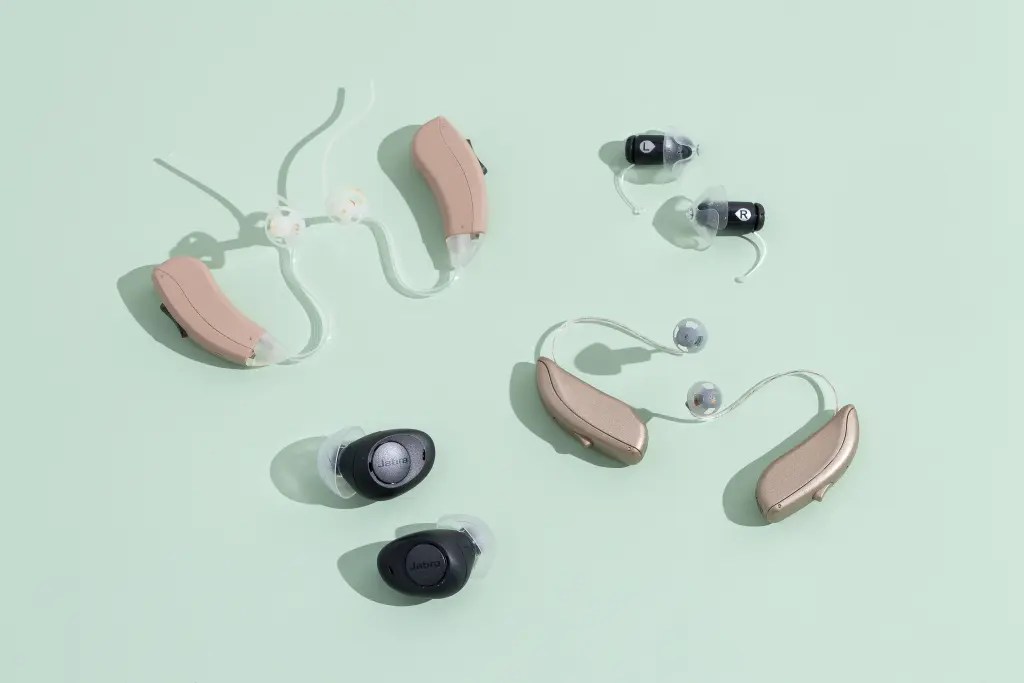
With the ever-changing landscape of hearing aids, over-the-counter hearing devices (OTCs) are gaining more traction and are entering the market. If you’re shopping around for hearing aids you may have come across a much cheaper alternative OTCs, however, it is important to understand with the cheaper device costs, what you may be leaving on the table. In this post, I want to go over some important points that may help you make a more informed decision about the differences in acquiring hearing devices from hearing care professionals or going forward with OTCs.
One of the big differences is that OTCs are available to the public without any professional assistance. On October 17th, 2022, the Food and Drug Administration (FDA) in the United States, passed a regulation for adults with a perceived mild to moderate hearing loss permission to individually purchase a hearing aid without a hearing exam or medical prescription (1). Although this may sound exciting for potential hearing aid users, it is important to consider the potential benefits and drawbacks of purchasing OTCs over professionally fit hearing devices.
When hearing aids are acquired from a licensed hearing care professional it is a service provided with years of schooling and experience. Furthermore, there is an unclear fitting criterion with OTCs. When hearing aids are fit by a hearing care professional, a hearing loss prescription is obtained in a sound-treated booth. After an audiometric assessment, most hearing professionals tailor the patient’s unique hearing loss prescription via objective evidence-based measures which often include hearing aid verification. Hearing aid verification includes fine-tuning hearing aids to an individual’s hearing levels based on objective hearing prescriptions acquired by audiometric tests. This can then be used to acquire a prescriptive formula that accounts for various factors including hearing aid gain (sound of hearing aids across frequency regions), hearing aid output in different listening situations, unique factors including age and ear canal acoustics (ear canal length and configuration) and listening situations (ex calm, noisy situations). A lot of OTCs are self-fit and allow patients to make changes for sound output without knowing the potential risks. Now this may sound like a positive but can lead to harmful outcomes in which hearing aids can be overfit in terms of hearing aid gain in certain frequency ranges. Furthermore, self-fit OTCs are not based on evidence-based fitting formulas used for hearing aid verification or based on test results obtained from a sound-treated booth so they may not reflect the true hearing levels of a patient.
Now you may be wondering if there is a benefit to pursuing OTCs. Recent research comparing OTCs to audiologist-fit hearing devices from a study that looked at comparing speech-in-noise benefit and self-reported outcomes does show benefits with certain hearing losses. The research revealed that there were positive outcomes for those individuals with mild to moderate hearing loss were similar to self-reported outcomes and clinical outcomes similar to those of hearing devices fit by an audiologist (2). However, children and adults with more conductive, mixed, or severe degrees of hearing loss are not qualified to wear OTCs. Lastly, for patients where price is the topmost concern, it may be a suitable option. An OTC may be a beneficial option over wearing no hearing aid at all. Furthermore, hearing aids purchased from a hearing clinic can range from 2000 to 8000 USD compared to starting as low as 200 USD for OTC (3). No doubt there is a big difference in cost when compared to purchasing OTCs or hearing aids from a clinic. It is important to note that post-hearing aid success revolves around a rehabilitative approach which includes a patient-centered treatment plan and regular follow-ups. If one is increasingly pressed by their finances and cannot afford a hearing aid, my recommendations would be to obtain a hearing assessment from a licensed hearing care professional and then purchase OTCs. However, hearing devices fit by a hearing care professional most likely will lead to the most positive outcomes for ones health-related quality of life.
references
- FDA hearing aids guidance (August 2023). National Council on Aging. June 28, 2023. Accessed August 7, 2023. https://www.ncoa.org/adviser/hearing-aids/fda-hearing-aids-guidance/.
- De Sousa KC, Manchaiah V, Moore DR, Graham MA, Swanepoel DW. Effectiveness of an over-the-counter self-fitting hearing aid compared with an audiologist-fitted hearing aid. JAMA Otolaryngology–Head & Neck Surgery. 2023;149(6):522. doi:10.1001/jamaoto.2023.0376
- Hearing aids just got dramatically cheaper in the U.S. will it happen in Canada? | CBC News. CBCnews. October 20, 2022. Accessed August 7, 2023. https://www.cbc.ca/news/health/hearing-aids-over-the-counter-us-canada-1.6622197.
 Hearinginfo